

Ukraine鈥檚 FP-2 drone escalates February strikes on high-value Russian targets
Not only did February see the , but it also appears that Ukraine鈥檚 Firepoint FP-2 one-way attack drone levelled up. Over the past couple of weeks, the number of high-value Russian targets destroyed with FP-1/FP-2-type drones has seemingly rocketed.
Ukraine鈥檚 medium-range FP-2 drone
The FP-2 drone was presented in September 2025 and is a medium-range strike drone able to carry a 100-kilogram warhead and is based on the older FP-1 long-range drone. The range is reduced from 1,400 kilometres to 200 kilometres, allowing it to carry a much larger warhead.
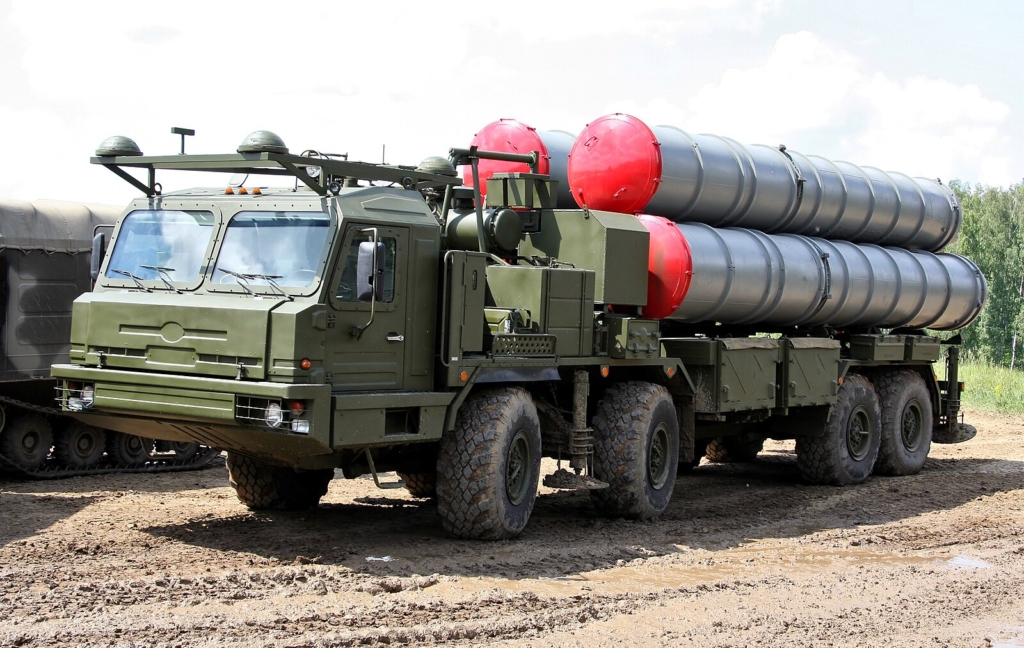
Ukraine鈥檚 news outlet, , reported at the time, 鈥淭he drone is available with autonomous guidance for strikes on stationary targets, as well as a version that allows manual control via radio to hit moving targets.鈥�
Militaryni also noted in September that the FP-2 was relatively low-cost, had a heavy warhead, and had the potential to strike in Russia鈥檚 rear areas. It said FP-2s flying at low altitude and in large numbers could evade or overwhelm Russian air defences, threatening logistics hubs, weapon depots, etc.

February seemingly saw the drone pick up the tempo and effectiveness in destroying high-value Russian targets, including air defences, missile launchers, and logistics sites.
Major leap in FP-2 high-value strikes
It is unclear what has been driving the uptick, but it鈥檚 possible the FP-2 is benefiting from refinements in flight stability and potential mesh networking. The latter would allow the FP-2 to operate at extended ranges with more precise and synchronised attacks.
On the 10th of February, Ukrainian FP-2 drones struck a forward drone operator base in Ukraine鈥檚 Zaporizhzhia region.
Yesterday, the senior fellow for the Foreign Policy Research Institute, , posted a compilation of new videos with the caption, 鈥淢ore videos of Ukrainian middle strikes with FP-2 and other UAVs on Pantsir-S1, S-400, Buk-M1, Uragan MLRS, and Malakhit radar.鈥�
This was replying to Rob Lee鈥檚 own post on the 21st, showing an FP-2 destroying a Russian Smerch MLRS, which in turn was replying to a post the previous day with more FP-2 strike videos.
That post on the 20th reads, 鈥淰ideos of FP-2 strikes by Ukraine鈥檚 Unmanned Systems Forces and SBU Alpha on Tor-M1 and S-300VM air defence systems, command posts, warehouses, UAV launch points, and other targets.鈥�
These drones may also be responsible for .
Significant Russian losses in the last couple of days
On 22nd Feburary it was reported that two Russian helicopters, a Mi-8 and a Ka-52, had been destroyed on the ground at Pugachevka Airfield in Russia鈥檚 Oryol region using 鈥渟trike-type UAVs,鈥� although it鈥檚 unclear if these were FP-2s.
The same day, it was also reported that two more Russian Tor air defence systems were destroyed by drones from Ukraine鈥檚 and . This brought the total number of Russian Tor systems destroyed over the past half-week to the 22nd to five.
, who manages the Oyrx blog, noted, 鈥淚f anything like this rate of Russian SAM losses continues, this could become a serious problem for Russia鈥︹��
Meanwhile, on the 24th February, the respected OSINT account, , posted videos of the FP-2 in action, destroying a Russian 220mm Uragan MLRS in a similar manner it had destroyed a 300mm Tornado MLRS a few days prior.
Special Kherson Cat then stated, 鈥淔P-2 drone spots a missile salvo in the distance, heads to the launch point, hits the target, and a second FP-2 behind it monitors the damage.鈥�
The carnage against these high-value Russian targets has continued. Last night, FP-1/FP-2 drones were reported to have struck a S-400 launcher, a 92N6E radar station of the S-400, more supporting components of the S-400, and a Pantsir-S1 system.