


Rolls-Royce makes a play for narrowbody aircraft engines with 拢3bn UltraFan 30 programme
has unveiled its UltraFan 30 concept, a geared turbofan aimed squarely at the next generation of single-aisle aircraft, and is seeking up to 拢200 million in UK government support as part of a programme that could cost around 拢3 billion in total.
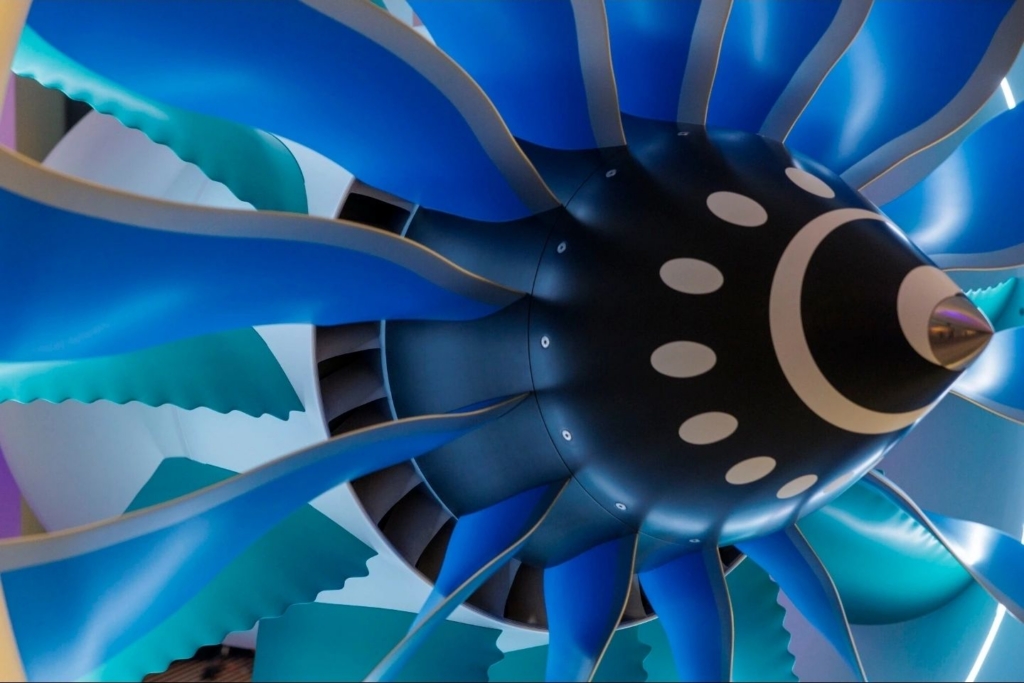
The company revealed a mock-up of the engine in late February 2026, positioning it as a serious bid to re-enter the narrowbody market more than a decade after exiting the V2500 programme.
Alongside the reveal, reports indicate Rolls-Royce is asking for initial government backing in the first half of 2026 to help fund development and testing of the scaled demonstrator, building on more than 拢500 million already invested.
Rolls argues that over the next 25 years and represents the single biggest growth opportunity for UK aerospace over the next half century.

It claims the programme could support up to 40,000 UK jobs and generate 拢120 billion in lifetime economic value, while opening access to what it describes as a $1.6 trillion global narrowbody market.
The UltraFan 30 demonstrator is planned for ground testing in 2028, aligning it with the likely timeline for a clean-sheet Airbus or
The Rolls-Royce UltraFan 30 narrowbody engine specifications
UltraFan 30 is a 30,000 lb thrust-class geared turbofan derived from Rolls-Royce鈥檚 broader UltraFan architecture, which was originally developed with widebody applications in mind.
According to the company鈥檚 fact sheet, the demonstrator features:
A 90-inch fan sculpted with advanced aerodynamics
A bypass ratio of 12:1 to 15:1
A pressure ratio of 50:1
A 20 MW Power Gearbox
A CTi fan system with carbon/titanium fan blades and composite casing
Advanced manufacturing techniques, including additive layered manufacturing and CMC materials
Rolls-Royce says the engine is targeting up to 20% better fuel burn than engines in service today and will be compatible with 100% sustainable aviation fuel from day one.
Separately, the company has said the , although that comparison uses an earlier baseline.
The use of a geared architecture is central. Unlike o, UltraFan 30 remains a ducted solution, reflecting Rolls-Royce鈥檚 view that high-bypass geared turbofans can deliver major efficiency gains without the integration and certification complexities associated with open rotor designs.
Importantly, Rolls describes the programme as being delivered 鈥渋n partnership鈥�, signalling that risk-sharing or industrial collaboration may form part of any eventual production configuration.
Why Rolls-Royce wants to re-enter the narrowbody aircraft engine market now
Rolls-Royce鈥檚 timing is unlikely to be accidental.
The narrowbody engine market is currently dominated by two families: and CFM International鈥檚 LEAP. In recent years, however, both programmes have faced significant challenges.
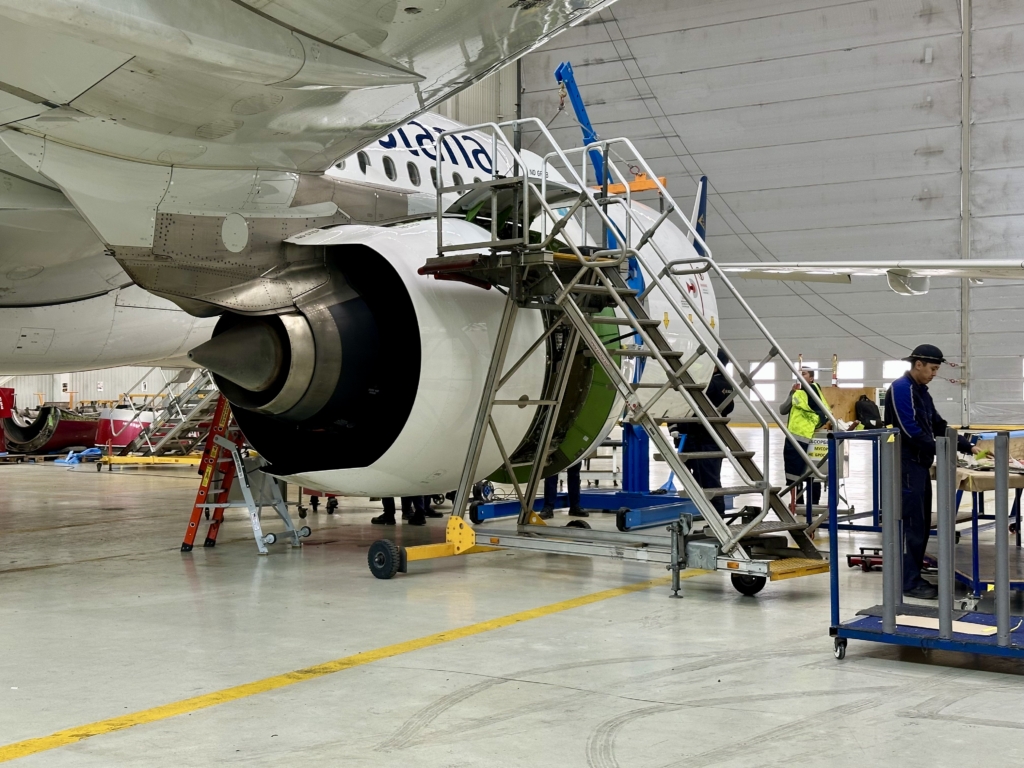
The PW1000G has been hit by a l in certain components, leading to hundreds of aircraft being grounded at peak impact and extended maintenance turnaround times.
The LEAP family, while not facing the same inspection crisis, has been constrained by supply chain pressures and durability concerns in harsh operating environments, contributing to delivery bottlenecks and so-called 鈥済lider鈥� aircraft awaiting engines.
For Airbus and Boeing, and for airline customers, this has underscored the risk of relying on a tight duopoly in the world鈥檚 highest-volume aircraft segment.
Rolls-Royce, for its part, has a history in the narrowbody space. It was a major partner in the V2500 through the IAE consortium and previously powered the Boeing 757 with the RB211-535. But it sold its stake in IAE in 2012, effectively exiting the single-aisle sector just before the A320neo era locked in today鈥檚 engine choices.
UltraFan 30 represents an attempt to reverse that strategic retreat.

By seeking UK government backing now, Rolls appears to be positioning itself ahead of an expected Airbus and Boeing decision on next-generation single-aisle aircraft before the end of the decade. A 2028 ground test would give it a technology demonstrator ready as airframers begin formal engine selection studies.
The message is clear: if the next narrowbody aircraft enters service in the late 2030s, Rolls-Royce intends to be at the table.