indian air force plans jaguar retirement and mirage 2000 life extension 2039
Indian Air Force plans Jaguar retirement and Mirage-2000 life extension to 2039
March 18, 2026
Source:
The is beginning the gradual retirement of its ageing strike aircraft.
To maintain squadron strength during the transition, the dependable is now expected to remain in frontline service for several more years while the IAF searches worldwide for Jaguar spare parts, according to a Defence Ministry official.
The transition illustrates a complex balancing act inside India鈥檚 air power planning: phasing out aircraft that have served for more than four decades without allowing squadron strength to dip dangerously during the long .
For the moment, the Jaguars, long regarded as the backbone of India鈥檚 deep-strike capability, are entering their final years. Yet the process of retiring them has become as much about logistics as strategy, involving a worldwide search for retired aircraft that can be stripped for parts to sustain the remaining fleet.
India begins planning the retirement of Jaguar strike aircraft
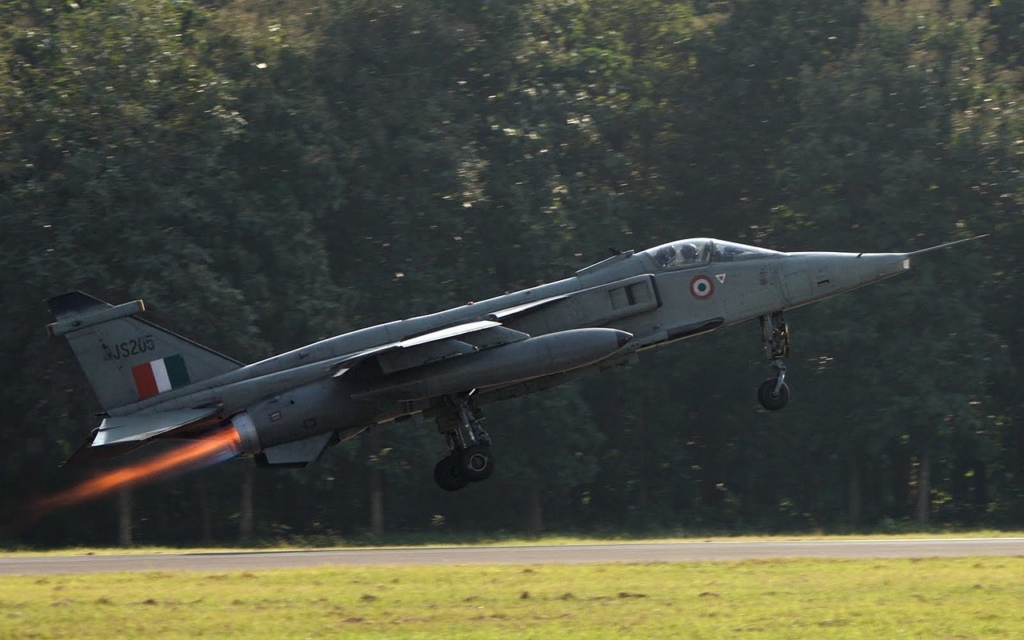
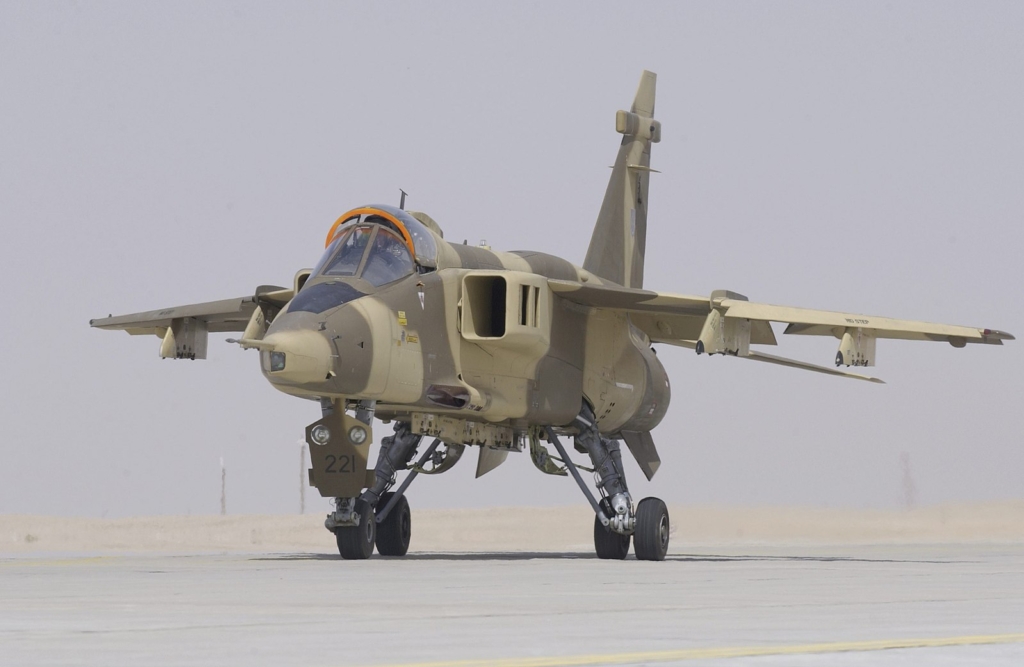
According to current planning, the oldest Jaguars are expected to begin retiring between 2028 and 2031, with the upgraded DARIN III aircraft likely to remain operational slightly longer.
Photo:Raghavjindal6 / Wikimedia
That timetable reflects a broader restructuring of India鈥檚 fighter inventory.
The retirement of the Jaguars will gradually free space in the order of battle for new aircraft, including:
the indigenous light fighter,
the more capable , now under development,
additional fighters expected under future procurement programmes,
and eventually the fifth-generation
Yet delays in fighter acquisition programmes have created a transitional gap that the air force must carefully manage.
India may extend Mirage 2000 fighter service until 2039
To avoid a sudden drop in squadron strength during this transition, the Indian Air Force is now considering extending the service life of its Mirage 2000 fleet beyond its original retirement timeline.
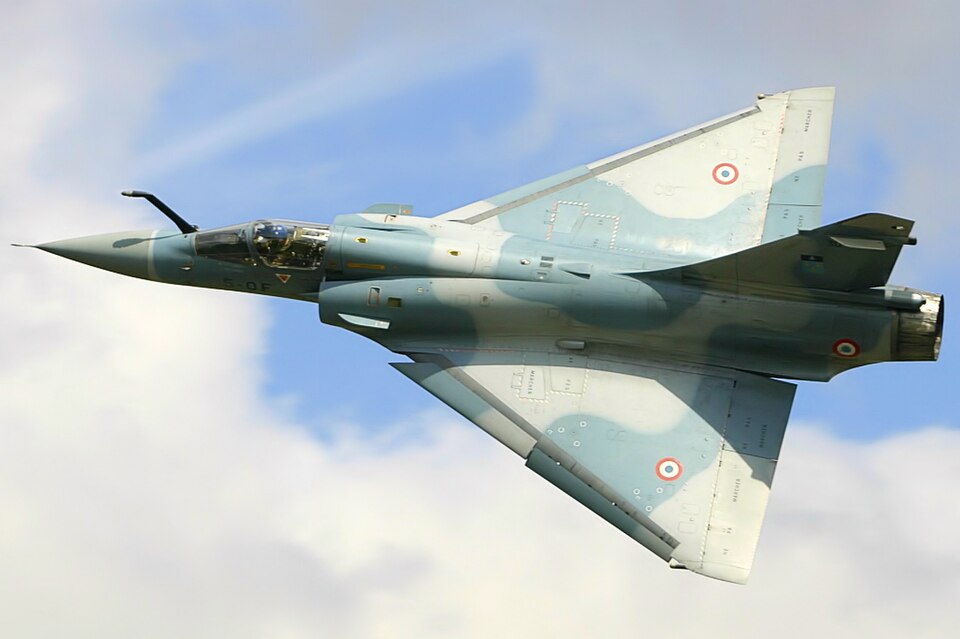
鈥淚nitially expected to retire around 2035, the aircraft may now remain operational until 2038 or even 2039, providing a critical buffer as newer aircraft enter service,鈥� an official at the Ministry of Defence told AGN.
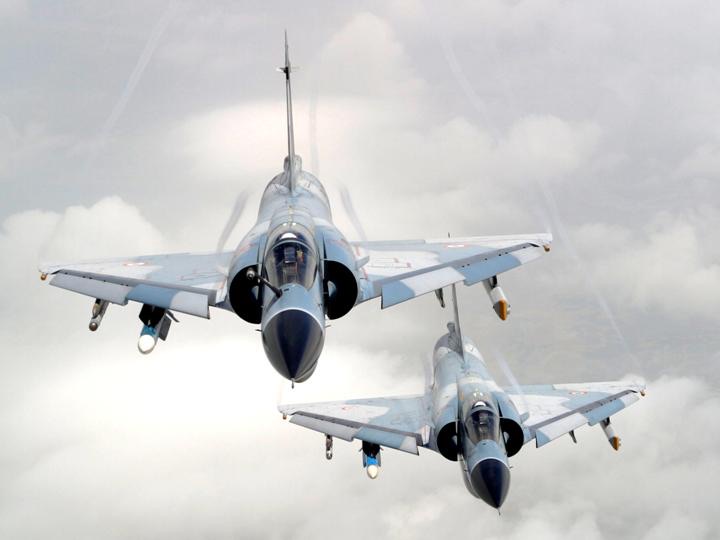
Unlike the Jaguars, the Mirage 2000 is easier to sustain thanks to continued support from Dassault and the ready availability of spare parts.
Photo: Government of India
Dassault Aviation has reportedly committed to providing long-term technical support, ensuring that maintenance and spare parts supply remain viable well into the next decade.
The aircraft鈥檚 reputation inside the Indian Air Force also plays a role in the decision.
Since entering service in 1985, the Mirage 2000, known within the IAF as 鈥淰ajra鈥� or thunderbolt, has built a formidable operational record. It played a decisive role in the 1999 Kargil conflict, delivering laser-guided bombs against fortified positions in the Himalayas, and later participated in the 2019 Balakot airstrikes.
With modernised avionics and upgraded weapons systems, the aircraft remains a capable multirole fighter even decades after its induction.
The Jaguar: A strike aircraft that defined India鈥檚 deep-penetration capability
The SEPECAT Jaguar entered Indian service in the early 1980s at a time when New Delhi sought a dedicated deep-penetration strike aircraft capable of low-level attack missions against heavily defended targets.
India ultimately became the largest operator of the type, inducting more than 160 aircraft over time, with many assembled domestically by Hindustan Aeronautics Limited (HAL).
In Indian service, the aircraft acquired the name 鈥淪hamsher,鈥� meaning 鈥渟word of justice,鈥� reflecting its intended role as a precision strike platform capable of penetrating enemy air defences at low altitude.
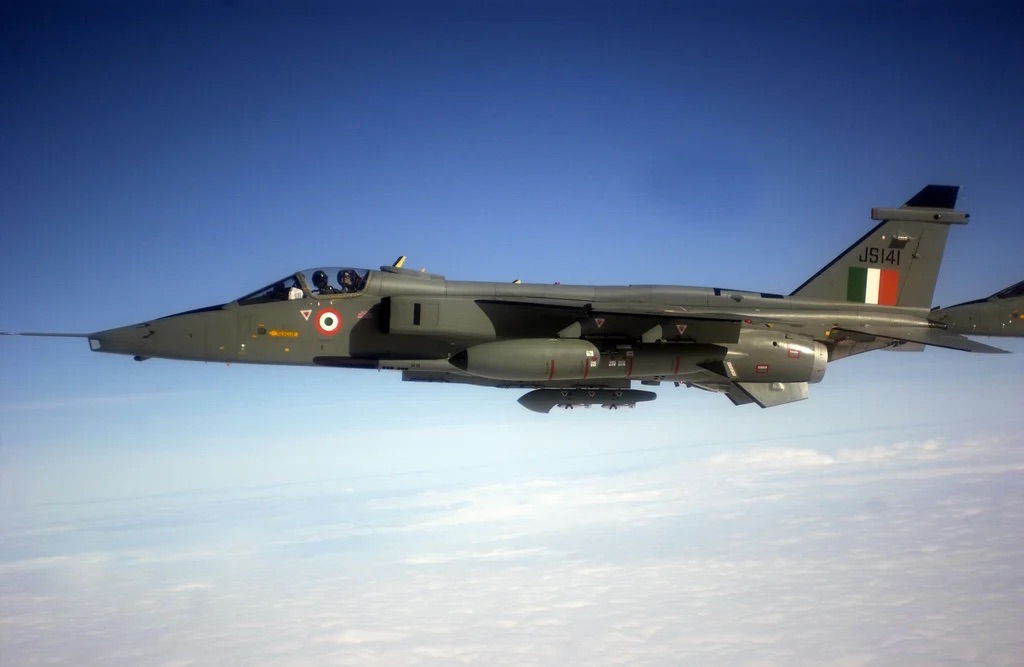
The fleet eventually included several variants:
Jaguar IS single-seat strike aircraft
Jaguar IB two-seat trainers
Jaguar IM maritime strike variants for anti-shipping missions
Photo: Government of India
At its peak, the programme involved a mix of aircraft built in the United Kingdom, loaned from the Royal Air Force, and later licence-produced in India.
Over time, the aircraft became central to a range of missions from maritime strike to conventional deep-strike operations, and it even formed part of India鈥檚 strategic nuclear delivery capability.
But the Jaguar鈥檚 longevity has come at a price. With production lines closed decades ago and every other operator having retired the aircraft, India today finds itself alone in keeping the type operational.
Why the Indian Air Force cannot sustain the Jaguar indefinitely
Despite several upgrade programmes, including the DARIN III avionics package that modernised navigation and targeting systems, the aircraft is now approaching the limits of what engineers can realistically sustain.
The most serious problems lie not in the airframe but in the engines. The Rolls-Royce-Turbomeca Adour turbofans that power the Jaguar were once considered reliable, but ageing components and a shrinking global supply chain have created increasing maintenance difficulties.
Indian Air Force plans Jaguar retirement and Mirage-2000 life extension to 2039
The Indian Air Force plans to retire its ageing Jaguar fleet while extending Mirage-2000 service to 2039 as it searches worldwide for spare parts to keep aircraft flying.
News
Share
Sign up for our newsletter and get our latest content in your inbox.
The is beginning the gradual retirement of its ageing strike aircraft.
To maintain squadron strength during the transition, the dependable is now expected to remain in frontline service for several more years while the IAF searches worldwide for Jaguar spare parts, according to a Defence Ministry official.
The transition illustrates a complex balancing act inside India鈥檚 air power planning: phasing out aircraft that have served for more than four decades without allowing squadron strength to dip dangerously during the long .
For the moment, the Jaguars, long regarded as the backbone of India鈥檚 deep-strike capability, are entering their final years. Yet the process of retiring them has become as much about logistics as strategy, involving a worldwide search for retired aircraft that can be stripped for parts to sustain the remaining fleet.
India begins planning the retirement of Jaguar strike aircraft
According to current planning, the oldest Jaguars are expected to begin retiring between 2028 and 2031, with the upgraded DARIN III aircraft likely to remain operational slightly longer.
Photo:Raghavjindal6 / Wikimedia
That timetable reflects a broader restructuring of India鈥檚 fighter inventory.
The retirement of the Jaguars will gradually free space in the order of battle for new aircraft, including:
the indigenous light fighter,
the more capable , now under development,
additional fighters expected under future procurement programmes,
and eventually the fifth-generation
Yet delays in fighter acquisition programmes have created a transitional gap that the air force must carefully manage.
India may extend Mirage 2000 fighter service until 2039
To avoid a sudden drop in squadron strength during this transition, the Indian Air Force is now considering extending the service life of its Mirage 2000 fleet beyond its original retirement timeline.
鈥淚nitially expected to retire around 2035, the aircraft may now remain operational until 2038 or even 2039, providing a critical buffer as newer aircraft enter service,鈥� an official at the Ministry of Defence told AGN.
Unlike the Jaguars, the Mirage 2000 is easier to sustain thanks to continued support from Dassault and the ready availability of spare parts.
Photo: Government of India
Dassault Aviation has reportedly committed to providing long-term technical support, ensuring that maintenance and spare parts supply remain viable well into the next decade.
The aircraft鈥檚 reputation inside the Indian Air Force also plays a role in the decision.
Since entering service in 1985, the Mirage 2000, known within the IAF as 鈥淰ajra鈥� or thunderbolt, has built a formidable operational record. It played a decisive role in the 1999 Kargil conflict, delivering laser-guided bombs against fortified positions in the Himalayas, and later participated in the 2019 Balakot airstrikes.
With modernised avionics and upgraded weapons systems, the aircraft remains a capable multirole fighter even decades after its induction.
The Jaguar: A strike aircraft that defined India鈥檚 deep-penetration capability
The SEPECAT Jaguar entered Indian service in the early 1980s at a time when New Delhi sought a dedicated deep-penetration strike aircraft capable of low-level attack missions against heavily defended targets.
India ultimately became the largest operator of the type, inducting more than 160 aircraft over time, with many assembled domestically by Hindustan Aeronautics Limited (HAL).
In Indian service, the aircraft acquired the name 鈥淪hamsher,鈥� meaning 鈥渟word of justice,鈥� reflecting its intended role as a precision strike platform capable of penetrating enemy air defences at low altitude.
The fleet eventually included several variants:
Jaguar IS single-seat strike aircraft
Jaguar IB two-seat trainers
Jaguar IM maritime strike variants for anti-shipping missions
Photo: Government of India
At its peak, the programme involved a mix of aircraft built in the United Kingdom, loaned from the Royal Air Force, and later licence-produced in India.
Over time, the aircraft became central to a range of missions from maritime strike to conventional deep-strike operations, and it even formed part of India鈥檚 strategic nuclear delivery capability.
But the Jaguar鈥檚 longevity has come at a price. With production lines closed decades ago and every other operator having retired the aircraft, India today finds itself alone in keeping the type operational.
Why the Indian Air Force cannot sustain the Jaguar indefinitely
Despite several upgrade programmes, including the DARIN III avionics package that modernised navigation and targeting systems, the aircraft is now approaching the limits of what engineers can realistically sustain.
The most serious problems lie not in the airframe but in the engines. The Rolls-Royce-Turbomeca Adour turbofans that power the Jaguar were once considered reliable, but ageing components and a shrinking global supply chain have created increasing maintenance difficulties.
Over the past decade, engineers have faced growing challenges, including compressor stalls, flameouts and oil-system failures. These issues have contributed to several accidents and raised concerns about long-term serviceability.
A proposal to re-engine the aircraft with the Honeywell F125IN turbofan, a plan that would have significantly improved thrust and reliability, collapsed due to cost and integration difficulties.
Without that upgrade, the only practical way to keep the aircraft flying has been a strategy familiar in ageing fleets around the world: cannibalisation.
Turning retired Jaguars into spare parts donors
With Jaguar production long discontinued, India has been forced to search globally for retired aircraft that can be dismantled for components.
In maintenance circles, the practice is sometimes described as creating 鈥淐hristmas trees鈥�, wherein retired airframes are stripped of usable parts ranging from hydraulic systems and control surfaces to landing gear assemblies and engine modules.
India has already pursued this strategy on several occasions.
In 2018, the Indian Air Force obtained dozens of retired Jaguars from France, the United Kingdom and Oman. These aircraft were never intended to fly again; instead, they were acquired specifically to provide spare parts that could extend the life of operational jets.
Photo: SAC Scott Robertson, RAF
More recently, after the Royal Air Force of Oman retired its fleet.
The country has also begun discussions with Ecuador, the only Latin American operator of the aircraft, which had earlier placed several Jaguars in storage after withdrawing them from service.
The objective is straightforward: extract every usable component from retired aircraft to sustain the remaining Indian fleet until replacement platforms are available.
The vintage SEPECAT Jaguar is still central to the IAF鈥檚 strike capability
Many of the Jaguars still flying with the Indian Air Force are now more than four decades old. Despite its age, the Jaguar continues to occupy an important niche in India鈥檚 combat structure.
The aircraft鈥檚 design emphasises stable low-altitude flight and long-range strike capability, which helps the aircraft penetrate air defences and deliver precision weapons.
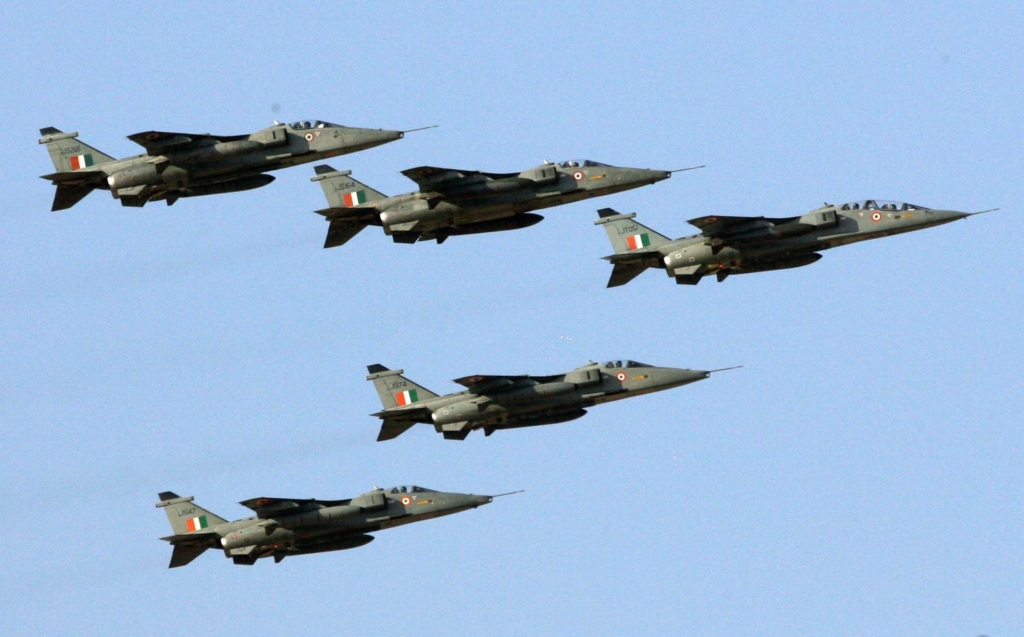
Today, the IAF operates six Jaguar squadrons based at Ambala, Jamnagar and Gorakhpur, with around 115 to 120 aircraft listed on inventory, although not all are available for flight at any given time due to maintenance cycles.
Even in its later years, the aircraft has remained active internationally. Indian Jaguars participated in multinational air exercises such as Desert Flag in the United Arab Emirates, flying alongside fifth-generation aircraft from the United States, Europe and Asia.
But the aircraft鈥檚 operational relevance has not been enough to offset the realities of ageing hardware.
India鈥檚 defence planners now accept that the Jaguar is approaching the end of its service life.
A delicate transition for India鈥檚 fighter force
The overlapping timelines of Jaguar retirement and Mirage extension highlight the delicate state of India鈥檚 fighter fleet.
India鈥檚 squadron strength has declined significantly over the past two decades as older aircraft such as the MiG-21 and MiG-27 were withdrawn from service faster than new fighters could be inducted.
As a result, each retirement decision must be carefully timed to prevent gaps in operational capability.
Photo: Tim Felce (Airwolfhound) / Flickr
Extending the Mirage 2000 while scavenging parts from retired Jaguars is, therefore, less a sign of stagnation than an example of pragmatic fleet management.
The final chapter for the IAF鈥檚 Jaguar strike aircraft
For aviation historians, the Jaguar occupies a unique place in Indian air power.
Few aircraft anywhere in the world have remained operational for more than forty years while continuing to perform frontline missions.
Yet as the IAF prepares for a future built around indigenous fighters and next-generation stealth aircraft, the Jaguar鈥檚 story is slowly drawing to a close.
Until then, technicians across India鈥檚 air bases will continue the painstaking work of keeping the aircraft airborne, sometimes with parts harvested from airframes scattered across three continents.